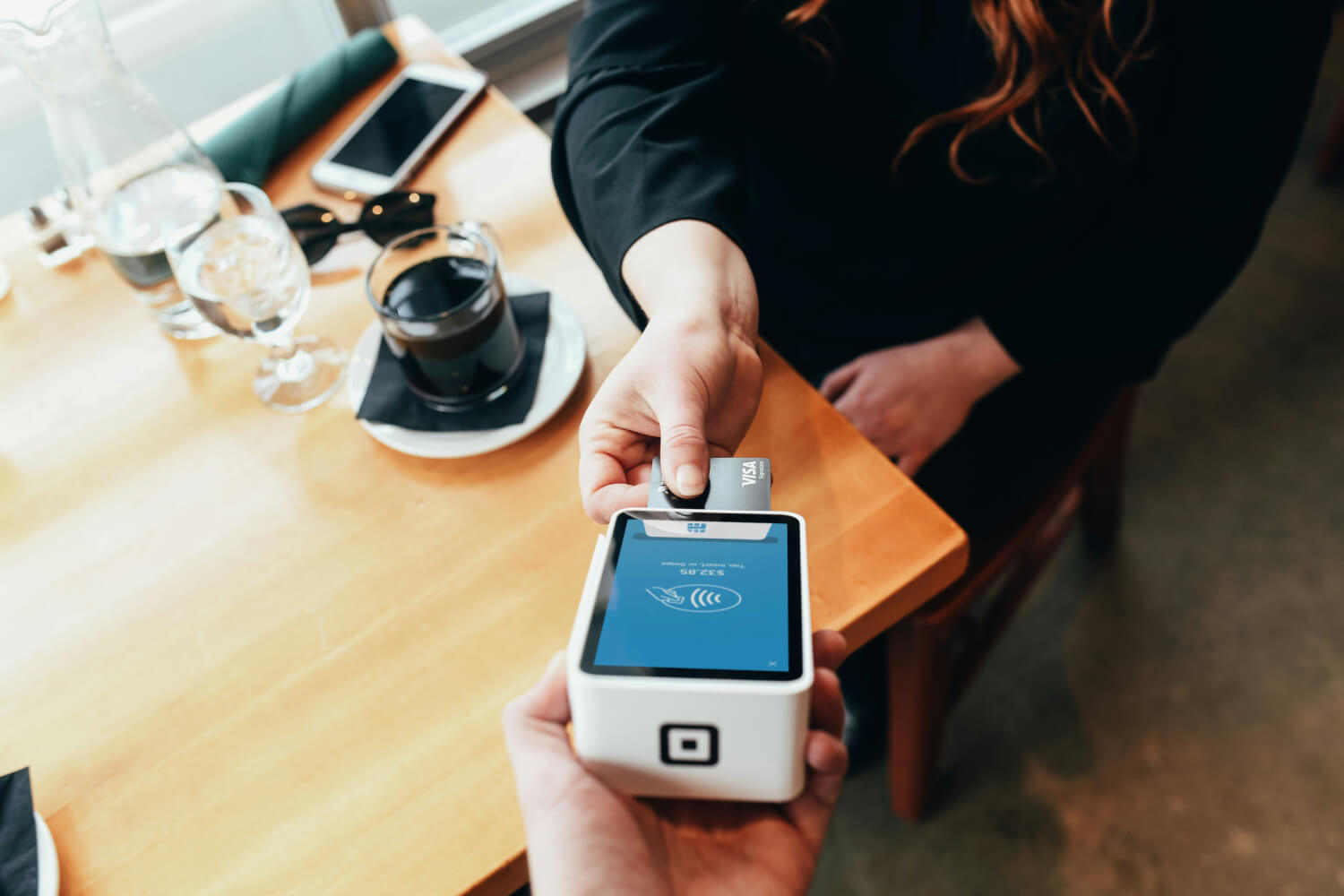
In the rapidly digitizing Indian economy, credit cards have evolved from mere symbols of status to essential financial instruments for the modern consumer. Whether you are a young professional paying for your first monthly subscription or a seasoned family head managing household expenses, a credit card acts as a bridge between your current liquidity and your long-term financial goals. However, the sheer variety of plastic available today can be overwhelming, and without a strategic approach, it is easy to fall into the trap of high-interest debt.
Table of Contents
- The Anatomy of a Credit Card Statement
- Choosing the Right Card for Your Lifestyle
- The Credit Score Correlation
- Pros and Cons Comparison
- Managing Your Debt: The Systematic Approach
- Required Documents and Eligibility
- Regulatory Guidelines and Consumer Rights
- The Psychology of Reward Points
- Frequently Asked Questions
- Conclusion
Many Indians treat credit cards as an extension of their salary, often forgetting that the money spent is essentially a short-term high-interest loan. When used with discipline, these cards offer benefits that go far beyond convenience. They provide interest-free periods, reward points that turn into travel or cashback, and essential protection against fraudulent transactions. Understanding the mechanics of your card is the first step toward achieving financial autonomy in a world that operates on credit scores.

At MoneyHelper, we believe that education is the most powerful tool for wealth management. This guide is designed to peel back the layers of the credit card industry. We will look at how banks evaluate your profile, how to read your monthly statement like a pro, and how to ensure that your credit habits contribute positively to your CIBIL score. Let us dive deep into the world of plastic money.
- Always pay the ‘Total Amount Due’ rather than the ‘Minimum Amount Due’ to avoid exorbitant interest rates.
- Maintain a credit utilization ratio below 30 percent to protect your credit score.
- Use your credit card for big-ticket purchases to earn maximum reward points or cashback.
- Monitor your statements monthly for unauthorized charges or billing errors.
- Understand the difference between the billing cycle and the payment due date.
The Anatomy of a Credit Card Statement
For many, the monthly credit card statement is a confusing document filled with jargon. However, decoding it is essential for effective personal finance management. The most critical element is the ‘Billing Cycle,’ which is the period between two consecutive statement dates. The ‘Payment Due Date’ is typically 15 to 25 days after the statement date, depending on the bank policy.
When you look at your statement, you will see two distinct figures: the ‘Total Amount Due’ and the ‘Minimum Amount Due.’ The minimum amount is often just 5 percent of your total outstanding balance. While banks allow you to pay this, doing so is a financial disaster. Any balance left unpaid attracts interest rates ranging from 36 percent to 48 percent per annum, compounded monthly. This is how credit card debt traps begin. Always aim to clear the full balance to maximize the value of your plastic.
Choosing the Right Card for Your Lifestyle
Not all credit cards are created equal. A card that offers premium lounge access is useless to someone who never travels, and a card with high annual fees is a burden if you do not use its specific benefits. We categorize cards into four primary segments for the Indian market:
1. Entry-Level/Rewards Cards
Ideal for students or young professionals starting their credit journey. These cards focus on cashback on grocery, fuel, and utility bill payments. They usually come with low or zero annual fees.
2. Travel and Lifestyle Cards
These cards are designed for those who spend heavily on air tickets, hotel stays, and fine dining. They often provide complimentary lounge access, airline miles, and concierge services.
3. Premium/Super-Premium Cards
Targeted at high-net-worth individuals, these cards offer elite benefits like global golf access, unlimited international lounge visits, and high reward point multipliers on luxury spending.
4. Secured Credit Cards
These are backed by a fixed deposit. If you have a poor credit score or no credit history, this is your best starting point to build a reputation with the bureau.
| Card Category | Target User | Primary Benefit | Annual Fee Range |
|---|---|---|---|
| Entry-Level | Beginners | Cashback on Utilities | Nil – ₹500 |
| Travel | Frequent Flyers | Air Miles/Lounge | ₹2,000 – ₹5,000 |
| Premium | HNI | Concierge/Exclusive Access | ₹10,000+ |
| Secured | New to Credit | Score Building | Nil |
The Credit Score Correlation
Your credit card usage is the single largest factor influencing your credit score. The Reserve Bank of India (RBI) mandates that all credit card issuers report your payment behavior to bureaus like CIBIL, Experian, and CRIF. A single missed payment can drop your score by 50 to 100 points, potentially making it harder to secure a home loan or banking facilities in the future.
To maintain a healthy score, practice the 30 percent rule. If your credit limit is ₹1,00,000, try not to spend more than ₹30,000 in a billing cycle. High utilization signals to lenders that you are credit-hungry, which can be perceived as a financial risk. Conversely, keeping your card active with small, consistent purchases and paying them off on time shows lenders that you are a responsible borrower.
Pros and Cons Comparison
Pros
- Interest-free credit window
- Reward points and cashback
- Builds credit history
- Fraud protection
- Global acceptance
Cons
- High-interest debt if unpaid
- Annual and renewal fees
- Potential for overspending
- Complex reward redemption
- Hidden service charges
Managing Your Debt: The Systematic Approach
If you find yourself in a situation where you cannot pay your full statement balance, do not panic. The first step is to check if your bank offers an ‘EMI Conversion’ option. Converting a large purchase into an EMI (Equated Monthly Installment) is significantly cheaper than paying the rolling interest on your credit card balance. However, keep in mind that interest is still charged on the EMI balance.
Another strategy is to utilize a credit card balance transfer if your current bank’s interest rate is too high. This involves moving your debt to a card with a lower introductory APR. Always read the fine print regarding processing fees, as these can negate the interest savings. For long-term health, ensure your SIP investments and savings are prioritized before using credit for lifestyle inflation.
Required Documents and Eligibility
While every bank has unique criteria, the standard documents required for a credit card application in India include:
- Identity Proof (PAN Card is mandatory)
- Address Proof (Aadhaar, Voter ID, or Passport)
- Income Proof (Latest 3 months’ salary slips or ITR for the last 2 years)
- Recent Passport-sized photographs
Eligibility typically requires you to be between 21 and 65 years of age, a resident of India, and possess a stable source of income. If you are self-employed, the bank will scrutinize your business stability and credit history more closely than for a salaried individual.
Regulatory Guidelines and Consumer Rights
The Reserve Bank of India has issued strict guidelines under the Master Direction on Credit Card and Debit Card Issuance and Conduct Directions 2022. Key highlights include:
- Banks cannot issue credit cards without the explicit consent of the customer.
- If a card is issued without consent, the bank is liable to pay a penalty.
- Credit card interest rates must be transparent and communicated clearly.
- Customers have the right to request the closure of their account, and banks must process this within 7 working days.
For more detailed regulations, you can visit the official Reserve Bank of India website. Staying informed about these regulations ensures that you are protected against unfair banking practices.
| Regulatory Provision | Impact on Consumer |
|---|---|
| Mandatory Consent | Prevents unsolicited card issuance |
| 7-Day Closure Rule | Ensures timely account termination |
| Transparent APR | Allows better comparison of costs |
The Psychology of Reward Points
Reward programs are designed to keep you spending. Banks partner with retailers to offer ‘Accelerated Reward Points.’ While these are great, they should never dictate your spending habits. Do not spend ₹10,000 just to earn 500 reward points that are worth ₹100. This is a classic case of ‘penny wise, pound foolish.’ Use rewards as a byproduct of your necessary spending, not as a goal in itself.
Frequently Asked Questions (FAQs)
Official Sources & Regulatory References
For verification of interest rates, guidelines, and compliance directives, consult these primary regulatory publications:
1. What happens if I miss a credit card payment?
Missing a payment incurs late fees and interest charges on your entire outstanding balance. It also negatively impacts your CIBIL score, which can affect future loan approvals.
2. Can I have multiple credit cards?
Yes, you can have multiple cards. It can help increase your total credit limit and improve your credit utilization ratio, provided you can manage the payment due dates for all of them.
3. Is it better to pay the minimum amount?
No. Paying only the minimum amount will trigger high-interest charges and potentially lead to a debt spiral. Always clear the full statement balance.
4. How do I check my credit card statement?
You can check your statement via your bank’s mobile app, internet banking portal, or by requesting an email statement. Always review it at least once a month.
5. What is a credit card balance transfer?
It is the process of moving your high-interest debt from one credit card to another that offers a lower interest rate, helping you save on interest costs.
6. Are add-on cards beneficial?
Add-on cards allow your family members to share your credit limit. They are useful for tracking household expenses, but you remain solely liable for all payments.
Conclusion
Credit cards are neither inherently good nor evil; they are reflections of our own financial discipline. When you treat your credit card as a budgeting tool rather than a source of extra cash, you unlock a world of financial perks, security, and credit building that can serve you for a lifetime. Start by picking a card that aligns with your actual spending patterns, pay your dues in full every single month, and keep an eye on your credit health using free resources available from government and regulatory portals. Mastering your plastic is the first step toward mastering your financial future.
More Credit Cards Guides
Explore our full library of Credit Cards articles written by verified financial experts.