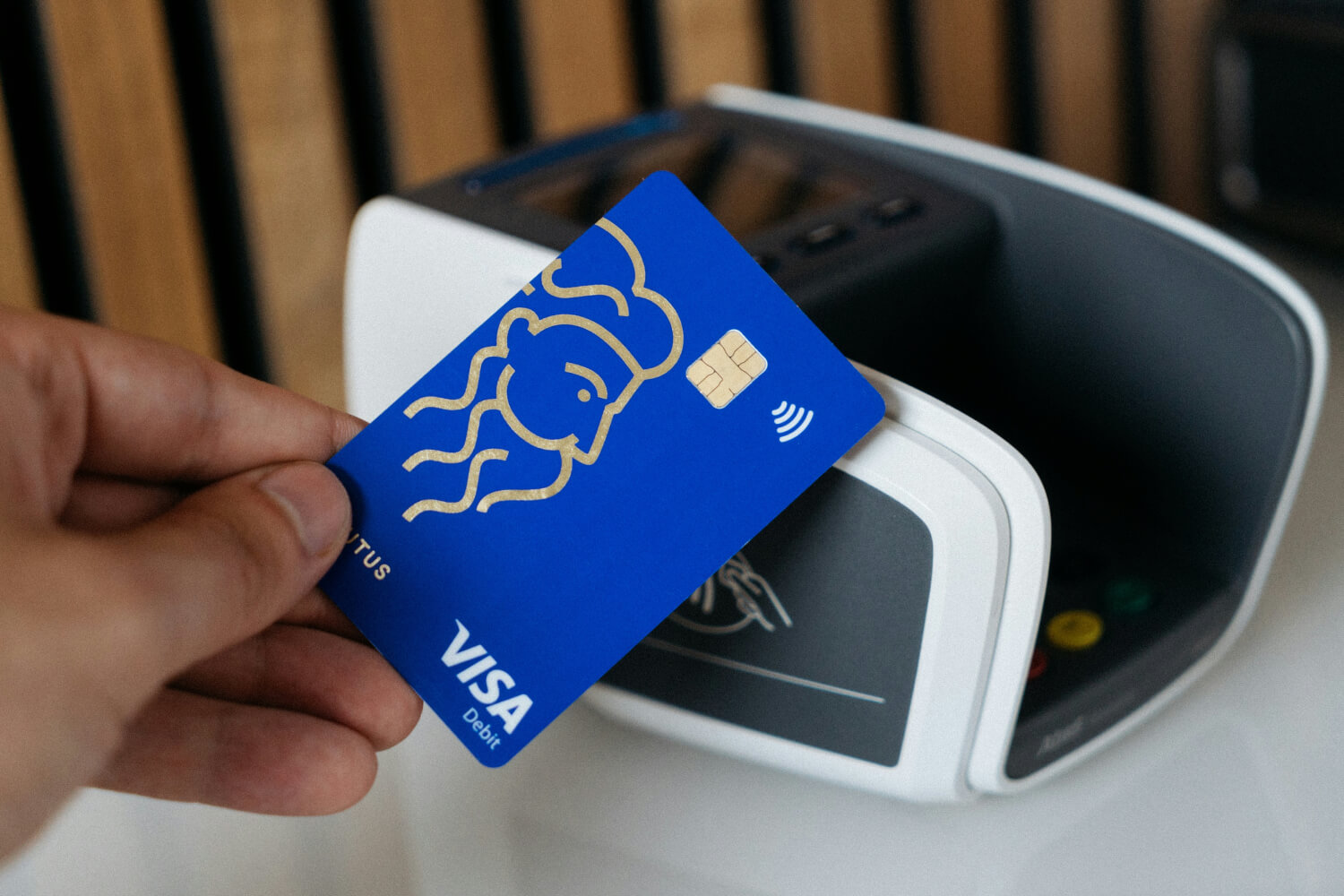
Entering the world of personal finance as a student can feel overwhelming, but securing a credit card early is one of the most effective ways to establish a financial identity. In India, the landscape for student-friendly credit products is evolving rapidly, moving away from high-barrier entry requirements toward more inclusive, entry-level products designed specifically for young adults and those just beginning their professional journeys.
Table of Contents
For a student, a credit card is more than just a payment instrument; it is a tool for learning responsibility, tracking spending habits, and building a credit history that will be vital when applying for future loans, such as home loans or car loans. However, navigating the terms, conditions, and eligibility criteria requires caution and a solid understanding of how banking institutions operate.

Key Takeaways
- Secured credit cards are the safest entry point for students with no credit history.
- Maintaining a low credit utilization ratio is essential for building a healthy score.
- Always pay your full statement balance on time to avoid exorbitant interest rates.
- Understand the difference between a credit card and a debit card to avoid overspending.
- Focus on cards with low or zero annual fees to minimize financial burden.
The Mechanics of Student Credit Cards in India
In India, banks generally offer two paths for students to obtain a credit card. The first is through a secured credit card, which is backed by a Fixed Deposit (FD) maintained in the same bank. This is the most common route because banks perceive it as low-risk. By locking a small amount (often as low as Rs 5,000 to Rs 10,000) in an FD, you receive a credit limit that is typically 80% to 90% of the deposit amount.
The second path involves university-specific co-branded cards or primary cards offered to students with high-net-worth backgrounds or those receiving a stipend. However, these are less common. The primary goal for any student should be to establish a credit footprint. A credit footprint is the digital trail of your financial behavior that credit bureaus track. Every time you make a purchase and pay it back, you contribute to your overall credit profile.
Why Building Credit Early Matters
Many students believe that credit cards are only for the employed or wealthy. This is a misconception. If you start your financial journey at 21, by the time you are 25 and entering the corporate workforce, you will already have a robust credit score (CIBIL or Experian). This score will qualify you for better interest rates on future loans, potentially saving you lakhs of rupees in interest over your lifetime. Think of your credit card as a ‘financial resume’ that lenders check before they decide to trust you with their money.
Eligibility Criteria for Students
While requirements vary from bank to bank, here is a standard checklist of what you need to meet to be eligible for most Indian credit cards:
- Age Requirement: You must be at least 18 years of age.
- Citizenship: You must be an Indian resident.
- Financial Backing: For secured cards, you need a minimum FD amount.
- Documentation: You need basic KYC documents including Aadhaar card, PAN card, and a recent photograph.
- Student Identity: A valid college ID card may be required for specific student-targeted programs.
Required Documents List
- Identity Proof: PAN Card (mandatory for credit card applications in India).
- Address Proof: Aadhaar Card, Passport, or Voter ID.
- Financial Proof: If applying for a secured card, the FD receipt/confirmation.
- Photographs: 2-3 passport-sized recent photographs.
- College Documents: A bonafide certificate or student ID card (if applying for a student-specific program).
Benefits of Getting a Credit Card as a Student
Beyond the obvious convenience of cashless transactions, student credit cards provide several strategic advantages:
| Benefit | Description |
|---|---|
| Credit Score Building | Regular usage and timely payments build your CIBIL score. |
| Emergency Funds | Provides a financial safety net for unexpected college or living expenses. |
| Rewards & Cashback | Earn points on food, travel, and online shopping. |
| Learning Discipline | Teaches budgeting and the importance of timely payments. |
| Global Acceptance | Useful for international subscriptions or study-related materials. |
Pros and Cons Analysis
- Helps in building a credit score from scratch.
- Easier approval process for secured cards.
- Discounts on e-commerce sites like Amazon/Flipkart.
- Safety compared to carrying cash.
- High risk of falling into a debt trap if not managed.
- High interest rates if the full bill is not paid.
- Potential for overspending on non-essential items.
- Hidden charges like annual fees or late payment penalties.
Common Mistakes to Avoid
The most common mistake students make is treating a credit card as ‘extra income.’ It is not. It is a loan that you must repay within 30-45 days. Never spend more than 30% of your total credit limit. For instance, if your limit is Rs 10,000, try not to spend more than Rs 3,000. This is known as maintaining a healthy credit utilization ratio, which is a significant factor in your credit score calculation.
Another error is paying only the ‘Minimum Amount Due.’ While this keeps your account active and avoids immediate late fees, the remaining balance will attract interest rates as high as 36% to 42% per annum. Always aim to pay the ‘Total Amount Due’ in full every month. For more insights on debt management, check out our guide on effective debt management strategies.
Latest Trends in the Indian Student Credit Market
The Indian fintech sector is currently witnessing a surge in ‘neo-banking’ solutions. Several new-age platforms are now partnering with traditional banks to offer virtual credit cards that are accessible via mobile apps. These cards are specifically designed for Gen-Z users, featuring modern UI, instant card-blocking features, and gamified reward systems that make financial tracking engaging for the younger generation.
Frequently Asked Questions (FAQs)
Can I get a credit card without an income?
Yes, by applying for a secured credit card against a Fixed Deposit. This is the most common and easiest way for students to start building credit without needing a salary slip.
Does a student credit card affect my CIBIL score?
Absolutely. Your credit card activity is reported to credit bureaus. Responsible use improves your score, while missed payments will harm it significantly.
What is the minimum age to apply?
You must be at least 18 years old to hold a credit card in India as per RBI regulations.
How much does a student credit card cost?
Many student-focused or entry-level secured cards offer ‘zero annual fee’ benefits, but you should always check the schedule of charges provided by the bank during application.
Should I use my credit card for everything?
No, you should only use your credit card for purchases you can afford to pay for in full with your current savings. Avoid using it for impulsive, non-essential spending.
What if I lose my credit card?
Immediately block your card using your bank’s mobile app or net banking portal, and contact the bank’s customer service to request a replacement.
Official Sources & Regulatory References
For verification of interest rates, guidelines, and compliance directives, consult these primary regulatory publications:
More Credit Cards Guides
Explore our full library of Credit Cards articles written by verified financial experts.