The Philosophy of Purposeful Spending
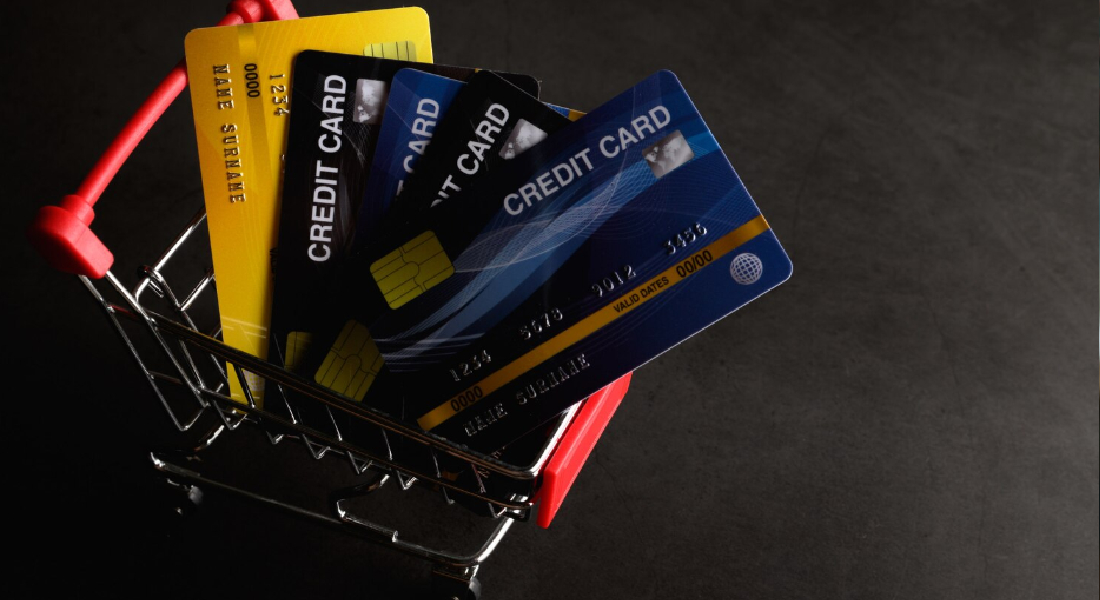
Most people treat credit cards like a utility—a necessary evil for booking flights or buying items online. However, if you view your wallet as a toolset rather than just a collection of plastic, you can unlock significant value that most consumers leave on the table. The key isn’t just about ‘getting a card’; it is about the ‘plastic pivot’—the intentional act of selecting financial instruments that mirror your specific daily behaviors, professional requirements, and long-term aspirations.
Table of Contents
- The Philosophy of Purposeful Spending
- Analyzing Your Spending Ecosystem
- The Lifecycle of a Credit Card Relationship
- Navigating the Maze of Perks and Protections
- Tactical Management: Staying Organized
- The Future of Credit: Digital Wallets and Beyond
- Frequently Asked Questions
- Conclusion: Taking Ownership of Your Financial Tools

We have moved past the era where a single ‘catch-all’ card is sufficient. Today, the landscape is fragmented into hyper-specialized offerings. Whether you are a frequent business traveler, a suburban parent optimizing for grocery rewards, or a young professional building their first layer of financial credibility, your card choice should be as unique as your thumbprint.
The Psychology Behind Your Plastic Choice
Why do we choose the cards we do? Often, it is based on aesthetic appeal or a referral from a friend. But true financial optimization requires a cold, hard look at your ‘spend density.’ Spend density refers to where the majority of your capital flows each month. If 60% of your budget goes to dining and transit, a card focused on luxury hotel status is objectively poor advice for you, even if the influencers say otherwise. We need to move away from the ‘status card’ mentality and toward a ‘utility card’ philosophy.
Analyzing Your Spending Ecosystem
Before you even look at interest rates or sign-up bonuses, you need to conduct a forensic audit of your last three months of bank statements. Group your spending into the following buckets:
- Essential Living: Groceries, utilities, and household supplies.
- Transient Costs: Rideshares, subways, and regional travel.
- Experiential Spending: Dining out, entertainment, and hobbies.
- Professional Overhead: Subscriptions, software, or office supplies if you are a freelancer.
Once you see where your money actually goes, the choice of your next credit card becomes a mathematical certainty rather than a guessing game. If your ‘Essential Living’ bucket is massive, you are looking for cards that offer higher multipliers on base-level grocery and retail spend. If your ‘Experiential Spending’ is the primary driver, you are hunting for curated lifestyle cards that offer concierge services or exclusive access to events.
Identifying the ‘Multiplier’ Gap
Every card has a ‘multiplier’—the rate at which you earn points or cash back per dollar. The mistake most people make is ignoring the gap between their top spending category and their card’s earning rate. If you spend $1,000 monthly on groceries but use a card that gives you 1% back, you are effectively burning money. By pivoting to a card that offers 3% or 4% in that same category, you aren’t just saving money; you are creating a secondary stream of value that compounds over time.
The Lifecycle of a Credit Card Relationship
A credit card is not a static object. It has a lifecycle that mirrors your own financial evolution. Understanding these stages allows you to avoid the common pitfall of holding onto cards that no longer serve your current income level or spending habits.
Stage 1: The Foundation Builder
At this stage, the goal is simple: accessibility and habit formation. You aren’t looking for luxury perks. You are looking for a product that reports to the bureaus, has no annual fee, and teaches you the discipline of full monthly repayment. The ‘plastic pivot’ here is about choosing a card that allows you to graduate to better tiers later.
Stage 2: The Optimization Phase
Once your foundation is solid, you enter the optimization phase. This is where you start layering cards. You might hold one card for your recurring bills, another for travel, and a third for dining. This ‘stacking’ strategy is the gold standard for those who want to squeeze every cent of utility out of their spending. However, it requires a higher degree of organizational rigor to ensure you never miss a payment date across multiple accounts.
Stage 3: The Consolidation and Refinement
As your career and lifestyle stabilize, you may find that managing five different cards is more of a headache than a benefit. This is the stage where you consolidate. You might trade in three mid-tier cards for one premium card that offers a higher ceiling on rewards and more sophisticated travel insurance protections. This is the ‘quality over quantity’ approach to credit management.
Navigating the Maze of Perks and Protections
We often get blinded by the ‘glitter’—the airport lounge access, the metal card construction, and the welcome bonuses. While these are fun, the real value of a credit card often lies in the fine print that nobody reads. This is the ‘hidden utility’ layer.
- Purchase Protection: Does your card cover items if they are stolen or damaged shortly after purchase? This is a massive hidden benefit for electronics and high-end goods.
- Extended Warranty: Many premium cards automatically add a year to the manufacturer’s warranty. This is effectively a form of free insurance.
- Travel Inconvenience Coverage: If your baggage is lost or your flight is delayed, the right card will reimburse you for essential expenses. This can save you hundreds of dollars in a single travel disaster.
- Concierge and Priority Access: While often undervalued, these services can save you hours of time, and in the world of personal finance, time is your most valuable asset.
The Trap of the ‘Annual Fee’ Fallacy
There is a pervasive fear of annual fees. Many consumers refuse to pay them on principle. However, if a $450 annual fee card provides $600 in statement credits for travel or dining that you were already going to spend, you are essentially getting paid $150 to hold that card. Never look at the fee in isolation. Always weigh it against the ‘offsetting utility’ of the benefits package.
Tactical Management: Staying Organized
How do you manage multiple cards without going insane? It requires a system. Here is how the experts do it:
- The Autopay Mandate: Never rely on memory. Set every single card to autopay the ‘statement balance’ in full every month. This is non-negotiable.
- The Periodic Audit: Every six months, look at your rewards. Are you actually using the points? If you are hoarding points for a trip you aren’t taking, you are losing value to inflation. Use them or convert them to cash back.
- The ‘Ghost’ Check: Review your statement for ‘zombie subscriptions’—those small monthly charges for services you forgot about. These are the silent killers of your financial efficiency.
- The Security Layer: Use virtual card numbers for online shopping whenever possible. This protects your primary card details from data breaches and makes it easier to track which merchant leaked your data if a compromise occurs.
The Future of Credit: Digital Wallets and Beyond
As we move toward a cashless society, the physical card is becoming a secondary artifact. Your credit card is increasingly integrated into your phone, your watch, and even your car. This makes security more critical than ever. Biometric authentication is your new best friend. Ensure your banking apps are secured with two-factor authentication that doesn’t rely solely on SMS, as SIM-swapping remains a significant risk. The ‘plastic’ may disappear, but the ‘credit’ remains, and the responsibility to monitor it stays with you.
Frequently Asked Questions
1. Is it bad to have too many credit cards?
Having multiple cards is not inherently bad for your credit score, provided you manage them well. It can actually improve your score by increasing your total available credit, which lowers your utilization ratio. However, opening too many accounts in a short period can lead to ‘hard inquiries,’ which may temporarily ding your score. Focus on quality and utility, not just quantity.
2. Should I close an old credit card that I don’t use anymore?
Think twice before closing your oldest account. The length of your credit history is a significant factor in your credit score. If the card has no annual fee, it is often better to keep it open and use it for a small, recurring charge once every few months to keep the account active. This preserves the ‘age’ of your credit profile.
3. How do I know if a high-annual-fee card is worth it for me?
Do the math. Total the value of the annual credits (travel, dining, TSA PreCheck, etc.) and subtract the annual fee. If the remaining number is positive, you are coming out ahead. If you rarely use those specific benefits, it is likely not the right card for your lifestyle, regardless of how prestigious it sounds.
4. What is the most important factor in credit card management?
The most important factor is consistency. Paying your full statement balance on time, every single month, builds a reputation of reliability with lenders. This not only keeps you away from high-interest debt but also positions you for better terms on future financial products, such as mortgages or business loans.
5. How often should I request a credit limit increase?
If your income has increased or your payment history is flawless, requesting an increase every 12 to 18 months is a reasonable strategy. This can help lower your credit utilization ratio, which is a powerful lever for boosting your credit score. Always ask if the request will result in a ‘soft’ or ‘hard’ pull on your credit report before proceeding.
Conclusion: Taking Ownership of Your Financial Tools
The journey toward mastering your credit cards is not about chasing the newest shiny object or the biggest sign-up bonus. It is about aligning your financial tools with your personal values and lifestyle rhythms. When you take the time to audit your spending, choose the right cards for your specific ‘spend density,’ and maintain a disciplined system of oversight, you transform your credit cards from a simple payment method into a sophisticated engine for financial optimization.
Remember, the credit card industry is designed to profit from your lack of attention. By being the ‘expert’ of your own financial ecosystem, you flip the script. You stop being a consumer of products and start being a manager of your own capital. Whether you are aiming for luxury travel rewards or simply looking to streamline your monthly budgeting, the power is in your pocket. Start by auditing your last statement today, and make the ‘plastic pivot’ that works for your future, not just your current habits.
More Credit Cards Guides
Explore our full library of Credit Cards articles written by verified financial experts.